
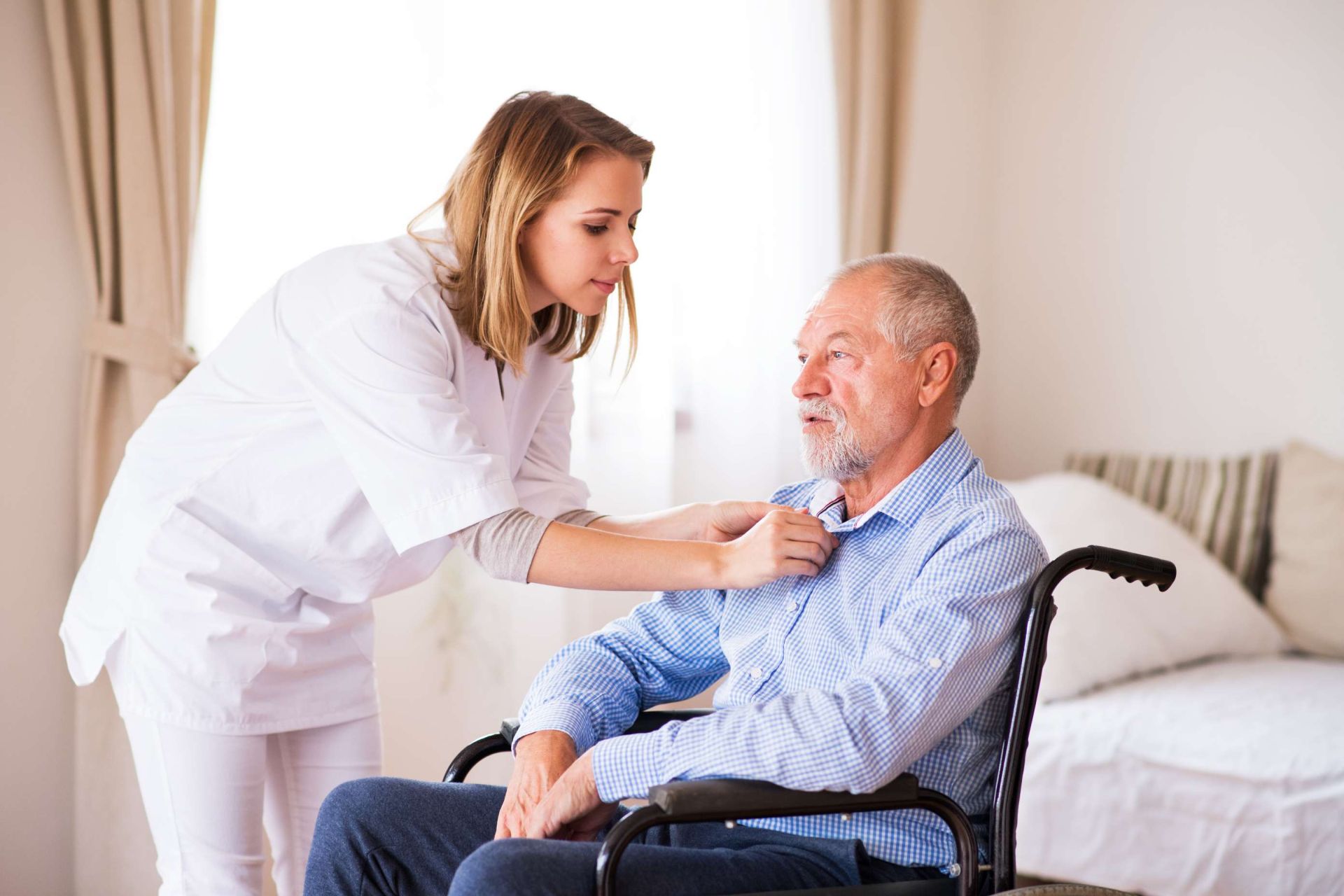
Pneumonia Prevention
inLTC Residents

Prevention, Early Recognition, and Safe Escalation

CE-LTC-PNEU-V1.0

Course Description

This course provides practical, standards-based training to help long-term care teams reduce pneumonia risk—including aspiration pneumonia—through reliable everyday care. Learners will explore how oral biofilm, dysphagia, aspiration, frailty, immobility, nutrition, hydration, and respiratory pathogens contribute to illness; practise role-appropriate prevention strategies; and strengthen early recognition and safe escalation when a resident’s condition changes. The course also connects infection prevention, goals of care, surveillance, and antimicrobial stewardship to day-to-day decision-making in LTC.

Prerequisites / required prior knowledge

  • None required
  • Designed for all long-term care team members, including PSWs/care aides, licensed nurses, prescribers, speech-language pathologists, dietitians, pharmacists, IPAC professionals, educators, and leaders.
  • Recommended: familiarity with resident care plans, routine observations, documentation, mealtime support, oral care, and escalation workflows.

Delivery

Online
Self‑Instruction (Asynchronous)

Credit

2.0 IPU/ Continuing Education hour (Self‑Instruction)

Cost

$299CAD

Availability window

Available on demand  Access for 1 year after enrollment
Meet the instructor

Kamyab Ghatan

MD, AL-CIP™, CIC®, LTC-CIP®, DISIPC, CDIPC
Dr. Kamyab Ghatan is a medical doctor and infection prevention leader who develops practical, standards-based training for diverse environments, including acute and long-term care, ambulatory and dental clinics, veterinary practices, and construction/renovation settings. His work spans infection prevention, surveillance, water management, sterile processing, and implementation science, with a focus on translating standards into workflows teams can actually use. Dr. Ghatan is the founder of the International College of Infection Control Professionals (ICICP).

Learning objectives:

By the end of this course, learners will be able to:

  • Identify the resident and care-process factors that increase pneumonia and aspiration risk in long-term care.
  • Perform the resident-specific daily pneumonia risk-reduction bundle—oral care, safe meals and positioning, nutrition and hydration, mobility, and respiratory hygiene—within their scope of practice.

  • Recognize and promptly report acute changes, including atypical presentations of pneumonia and airway emergencies, using accurate assessment and structured communication.

  • Apply role-appropriate, person-centred care that aligns with goals of care, including careful hand feeding in advanced dementia.

  • Apply basic infection-prevention and antimicrobial-stewardship principles, distinguishing colonization from infection and surveillance from diagnosis.

Completion requirements:

Learners receive credit after viewing all required content, passing the post‑test/final assessment with a minimum score of 80% (up to three attempts), and submitting the course evaluation. If a learner does not achieve 80% within three attempts, they must re-do the course (re-complete required content) within their access period before attempting the assessment again. Upon successful completion, learners may download a certificate of completion.
Provider: International College of Infection Control Professionals (ICICP)
Learner Support: support@icicp.com

Frequently asked questions

Disclosures (conflict of interest / proprietary interest)

The instructor(s) and planners report no relevant financial relationships with ineligible companies related to this educational activity.

Commercial support

None. This activity received no commercial support.

Non‑vocational licensing disclosure

This course/program does not require approval under the Ontario Career Colleges Act, 2005.

Content independence statement

Educational content is non‑promotional and designed to be independent of commercial influence; any trade names used are for identification only, and alternatives may be discussed.

Scope and currency statement

This course supports safe everyday practice; it does not replace clinical assessment by a licensed nurse, provider, speech-language pathologist, dietitian, or pharmacist, and it does not replace facility policy. Vaccine and outbreak guidance changes frequently—always confirm the current recommendation and facility policy. Jurisdiction: Canada; examples reflect Ontario, Public Health Ontario, and NACI guidance. Clinical review date: 2026. Next scheduled review: before the next respiratory season.