
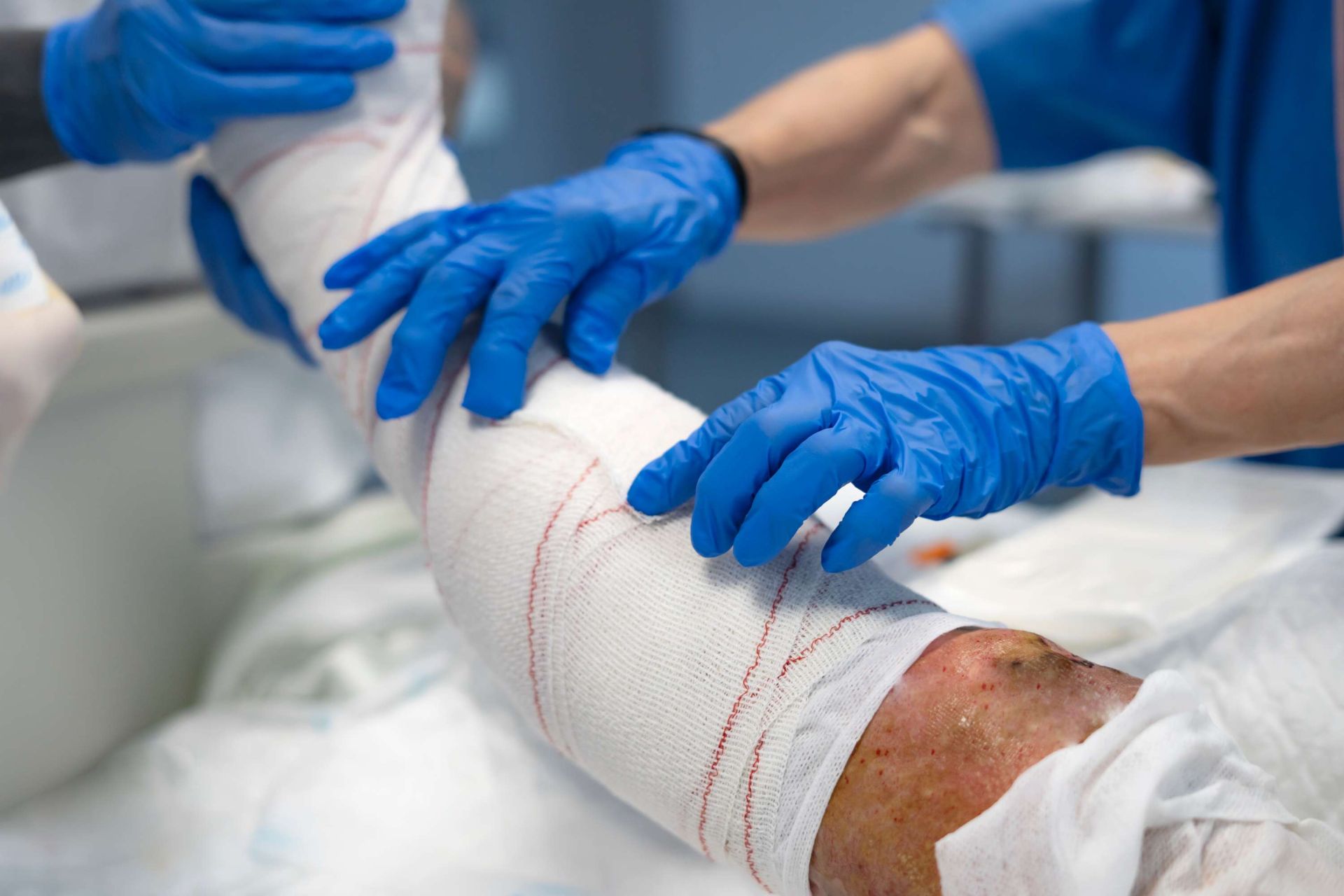
Wound Care and MDRO in LTC

CE-LTC-MDRO-V1.0

Course Description

This course provides practical, evidence-based training on preventing and managing multidrug-resistant organisms (MDROs) in long-term care residents with wounds. Learners will examine how chronic wounds, comorbidities, indwelling devices, and day-to-day care practices increase the risk of colonization, infection, and transmission. The course emphasizes wound hygiene, risk assessment, transmission-based precautions, environmental cleaning, and antimicrobial stewardship to support safer care, better healing, and reduced MDRO spread in long-term care.

Prerequisites / required prior knowledge

  • None required
  • Intended Audience: LTC staff involved in wound care, including nurses, wound/resource nurses, PSWs/HCAs, clinical leaders, IPAC professionals, physicians/NPs, pharmacists, educators, environmental services leaders, antimicrobial stewardship teams, and quality/safety leaders
  • Recommended: Familiarity with wound care basics, routine precautions, resident assessment, and documentation in LTC

Delivery

Online
Self‑Instruction (Asynchronous)

Credit

1.0 continuing education hour (Self‑Instruction)

Cost

$149 CAD

Availability window

Available on demand  Access for 1 year after enrollment

Meet the instructor

Kamyab Ghatan

MD, AL-CIP™, CIC®, LTC-CIP®, DISIPC, CDIPC
Dr. Kamyab Ghatan is a medical doctor and infection prevention leader who develops practical, standards-based training for diverse environments, including acute and long-term care, ambulatory and dental clinics, veterinary practices, and construction/renovation settings. His work spans infection prevention, surveillance, water management, sterile processing, and implementation science, with a focus on translating standards into workflows teams can actually use. Dr. Ghatan is the founder of the International College of Infection Control Professionals (ICICP).

Learning objectives:

By the end of this course, learners will be able to:

  • Define multidrug-resistant organisms (MDROs) and identify common examples in LTC, including MRSA, VRE, ESBL-producing organisms, CRE/CPOs, C. auris, CRAB, and CRPA
  • Explain why LTC residents with chronic wounds, comorbidities, and indwelling devices are at increased risk for MDRO colonization and infection
  • Apply systematic wound assessment and wound hygiene principles to recognize infection risk, support healing, and reduce transmission
  • Select and implement appropriate infection prevention measures, including PCRA, hand hygiene, PPE, Enhanced Barrier Precautions, Contact Precautions, and environmental cleaning
  • Support antimicrobial stewardship by distinguishing colonization from infection and using cultures and antimicrobial interventions appropriately

Completion requirements:

Learners receive credit after viewing all required content, passing the post‑test/final assessment with a minimum score of 80% (up to three attempts), and submitting the course evaluation. If a learner does not achieve 80% within three attempts, they must re-do the course (re-complete required content) within their access period before attempting the assessment again. Upon successful completion, learners may download a certificate of completion.
Provider: International College of Infection Control Professionals (ICICP)
Learner Support: support@icicp.com

Frequently asked questions

Disclosures (conflict of interest / proprietary interest)

The instructor(s) and planners report no relevant financial relationships with ineligible companies related to this educational activity.

Commercial support

None. This activity received no commercial support.

Non‑vocational licensing disclosure

This course/program does not require approval under the Ontario Career Colleges Act, 2005.

Content independence statement

Educational content is non‑promotional and designed to be independent of commercial influence; any trade names used are for identification only, and alternatives may be discussed.