
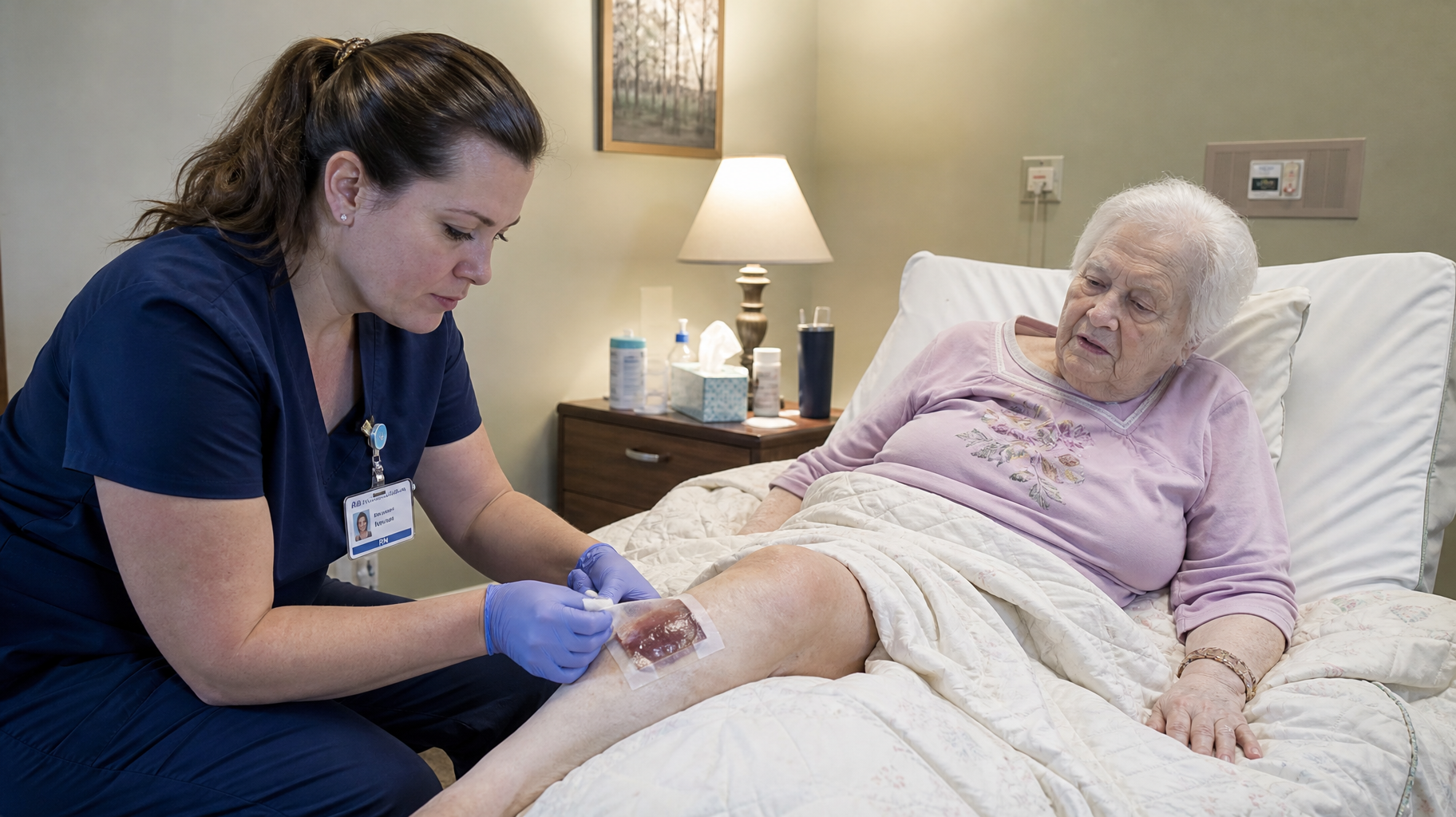
Wound Care and
Fungal Infection Prevention

Assessment, Infection Prevention, and Stewardship
CE-LTC_WCFI-V1.0

Course Description

Wounds and superficial fungal infections often arise from the same conditions in long-term care: fragile aging skin, trapped moisture, immobility, care dependence, and everyday practices that can move organisms between residents. This practical course helps regulated LTC professionals assess skin and wounds systematically, recognize the wound infection continuum, collect useful specimens, select clean, no-touch, or sterile technique, and prevent cross-transmission during wound, foot, skin-fold, and oral care. Learners also examine dressing-cart and instrument controls, fungal diagnostic discipline, antimicrobial and antifungal stewardship, and the IPAC lead's role in surveillance, contractor oversight, audit, and quality improvement.

Prerequisites / required prior knowledge

  • No formal prerequisites.
  • Primary audience: RNs, RPNs/LPNs, and IPAC leads working in long-term care. Also relevant to wound/skin resource nurses, Directors of Care, educators, prescribers, pharmacists, foot-care providers, dental hygienists, environmental services, and quality leaders.
  • The course supports evidence-based practice but does not confer procedural competence or legal authority; advanced procedures require separate education, supervision, and competency validation.

Delivery

Online
Self‑Instruction (Asynchronous)

Credit

2.0 IPUs/ Continuing Education hour (Self‑Instruction)

Cost

$299CAD

Availability window

Available on demand  Access for 1 year after enrollment
Meet the instructor

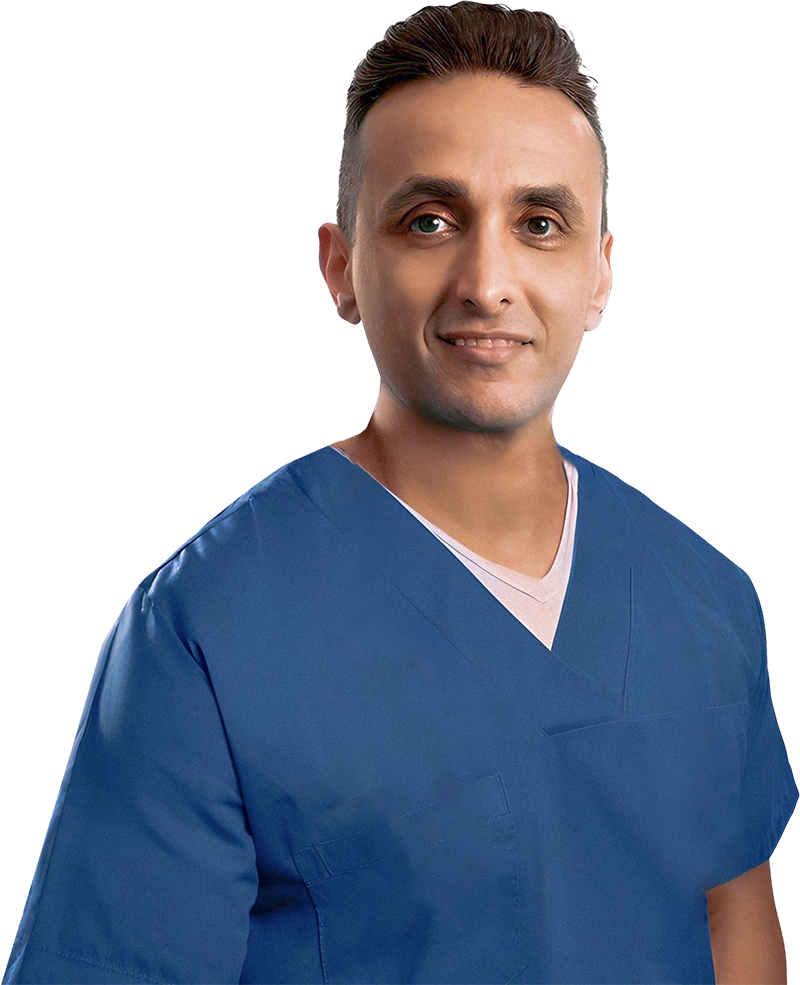
Kamyab Ghatan

MD, AL-CIP™, CIC®, LTC-CIP®, DISIPC, CDIPC
Dr. Kamyab Ghatan is a medical doctor and infection prevention leader who develops practical, standards-based training for diverse environments, including acute and long-term care, ambulatory and dental clinics, veterinary practices, and construction/renovation settings. His work spans infection prevention, surveillance, water management, sterile processing, and implementation science, with a focus on translating standards into workflows teams can actually use. Dr. Ghatan is the founder of the International College of Infection Control Professionals (ICICP).

Learning objectives:

By the end of this course, learners will be able to:

  • Assess skin, wounds, and moisture-associated skin damage systematically in older adults, including across all skin tones
  • Differentiate contamination, colonization, local infection, spreading infection, and systemic infection using the wound infection continuum and bedside assessment aids.

  • Apply appropriate wound, skin, and nail specimen-collection techniques and identify when a specimen should not be collected.

  • Select clean, no-touch, or sterile technique and apply hand hygiene, PPE, and transmission-based precautions during care.

  • Manage dressing carts, resident-specific products, reusable instruments, linen, and the care environment to prevent cross-transmission.

  • Apply IPAC principles to foot care and oral care as higher-risk clinical activities.
  • Support antimicrobial and antifungal stewardship through sound assessment, escalation, and documentation.

  • Describe program-level skin, wound, and IPAC responsibilities and locate the requirements that apply in the learner's jurisdiction.

Write your awesome label here.

Included handouts and tools

Learners receive 13 practical resources designed for point-of-care use and program implementation:
  • Six quick-reference cards: wound infection, dressing change/cart rules, skin folds and moisture, feet and nails, mouth and denture care, and specimen collection.
  • Portable wound-caddy stock and setup checklist.
  • Dressing-change IPAC observation audit and wound-cart cleaning/stocking audit.
  • Weekly wound-rounds minimum dataset and skin/fungal cluster line list.
  • Contracted foot-care provider due-diligence checklist.
  • Thirty-day IPAC improvement plan with named owners and re-audit dates.

What learners will cover

  • Aging skin, wound types, moisture-associated skin damage, GLOBIAD, and equitable assessment across skin tones.

  • The wound infection continuum, covert and overt signs, NERDS and STONEES, biofilm, and atypical presentation in frail residents.

  • Levine wound-swab technique; diagnostic discipline for skin and nail specimens; laboratory limitations and turnaround.

  • Onychomycosis, tinea pedis, candidal intertrigo, oral candidiasis, and denture stomatitis—including prevention and common mimics.

  • Foot care, oral care, hand hygiene, PPE, additional precautions, clean/no-touch/sterile technique, and the Spaulding classification.

  • Resident-specific supply controls, dressing-cart practice, environmental cleaning, instrument reprocessing, and contractor oversight.

  • Stewardship, SBAR escalation, defensible documentation, surveillance, cluster response, audit, corrective action, and quality improvement.

  • Five integrated case scenarios that connect bedside decisions with program-level action.

Completion requirements:

Learners receive credit after viewing all required content, passing the post‑test/final assessment with a minimum score of 80% (up to three attempts), and submitting the course evaluation. If a learner does not achieve 80% within three attempts, they must re-do the course (re-complete required content) within their access period before attempting the assessment again. Upon successful completion, learners may download a certificate of completion.
Provider: International College of Infection Control Professionals (ICICP)
Total CE-eligible time:
120 minutes · 2.0 continuing education hours
Learner Support: support@icicp.com

Frequently asked questions

Does the course validate clinical competence?

No. A self-directed course cannot validate psychomotor skill. Organizations should pair it with observed skills sign-off for aseptic dressing change, wound measurement, specimen collection, and PPE removal, using the observation audit in the tools pack.

What jurisdiction does the course use?

The clinical and IPAC core is Canadian. Ontario is used as the worked regulatory example. Long-term care requirements and nursing scope are provincial or territorial, so learners must verify the current requirements, employer policy, authorizing mechanism, and individual competence where they practise.

Disclosures and commercial support

The instructor(s) and planners have no relevant financial relationships with ineligible companies. This activity received no commercial support. Content is non-promotional and independent of commercial influence; any trade names are for identification only and alternatives are discussed.

Non-vocational licensing disclosure

This course/program does not require approval under the Ontario Career Colleges Act, 2005.